Fibromyalgia, What is it?
Fibromyalgia causes widespread pain and sensitivity throughout the body, along with extreme tiredness (the kind no amount of sleep fixes). It's thought to be linked to the way your brain and nerves interpret pain signals — as if your pain volume switch is turned up way too high.
Some people develop fibromyalgia after a physical injury, illness, or period of high stress. For others, it just seems to come out of nowhere. And while there’s no single test for it, fibromyalgia is very real, very valid, and deserves proper care and support.
It is estimated to affect around 2-8% of the global population, with women being more commonly affected than men.

Fibromyalgia affects everyone differently because we are all different, but here are some common symptoms that many people share:
- Widespread pain – aching, burning, throbbing, stabbing sensations
- Fatigue – that bone-deep tiredness that doesn’t go away with rest
- Fibro fog or "brain-fog" – trouble thinking clearly or remembering things
- Cognitive difficulties - slow thought processes, memory problems, lack of concentration or inability to find the right words
- Balance issues - vertigo, dizziness, clumsiness
- Poor sleep – waking unrefreshed or not sleeping at all
- Sensitivity – to touch, sound, light, temperature and environmental conditions
- Stiffness – especially first thing in the morning, joints and muscles
- Migraines or frequent headaches
- Digestive problems or Irritable Bowel-like symptoms – bloating, cramping, irregular bowels
- Anxiety or low mood – because managing constant symptoms is exhausting
Symptoms vary from person to person and day to day. Symptoms often change over time and fluctuate during different periods.
Massage therapy has been shown to provide several benefits for individuals with Fibromyalgia, including:
- Less Pain and muscle tension - Massage relaxes tight soft tissues and improves circulation, which can ease the widespread pain that defines fibromyalgia.
- Better sleep quality - Many people struggle with non-restorative sleep (feeling tired after they wake up). Massage promotes relaxation and can help the body shift into deeper, more restful sleep.
- Reduced anxiety and depression - Fibromyalgia often comes with emotional strain. Massage has been shown to lower stress hormones and support emotional balance.
- Improved overall well-being - Regular sessions can help people feel more in control of their symptoms, offering a sense of relief and comfort.
- Enhanced circulation - Better blood flow supports tissue health and may reduce "stiff, achy" feeling common in Fibromyalgia.
Overactive nervous system
An overactive nervous system shows up as the body staying in fight-or-flight even when nothing threatening is happening. Understanding the two modes of the nervous system makes it easier to spot the difference.
The sympathetic nervous system (the part that prepares you for stress) fires too easily and too often.
The parasympathetic system (the part that calms and restores you) doesn't activate strongly enough, the body becomes hypersensitive to pain, touch, noise, temperature and stress.
Massage helps because it nudges the body toward the calmer mode, giving the system a chance to reset. Muscles soften and loosen, breathing deepens naturally, heart rate slow, thoughts feel steadier, digestion improves and pain feels less sharp and intrusive.
Managing Skin sensitives in Fibromyalgia
Managing skin sensitivities in fibromyalgia is essential for improving comfort and quality of life.
Choosing the right skincare products is crucial for managing skin sensitivities in fibromyalgia. Consider the following tips when selecting products:
-
Fragrance-free and hypoallergenic: Opt for fragrance-free products as fragrance can be a common irritant. Look for products labelled as hypoallergenic, as they are formulated to be less likely to cause allergic reactions.
-
Gentle cleansers: Choose mild, non-soap cleansers that do not strip the skin of its natural oils. Look for products that are specifically formulated for sensitive skin.
-
Moisturizers for sensitive skin: Select moisturizers that are specifically formulated for sensitive skin, preferably with soothing ingredients like aloe vera or chamomile. Avoid products with heavy fragrances or potential irritants.
-
Sunscreen: Protecting your skin from sun damage is important, but some sunscreens can cause irritation. Look for sunscreens that are labelled as broad-spectrum, fragrance-free, and formulated for sensitive skin.
-
Patch testing: Before using a new skincare product, perform a patch test on a small area of skin to check for any adverse reactions. This can help you identify potential triggers before applying the product to your entire face or body.
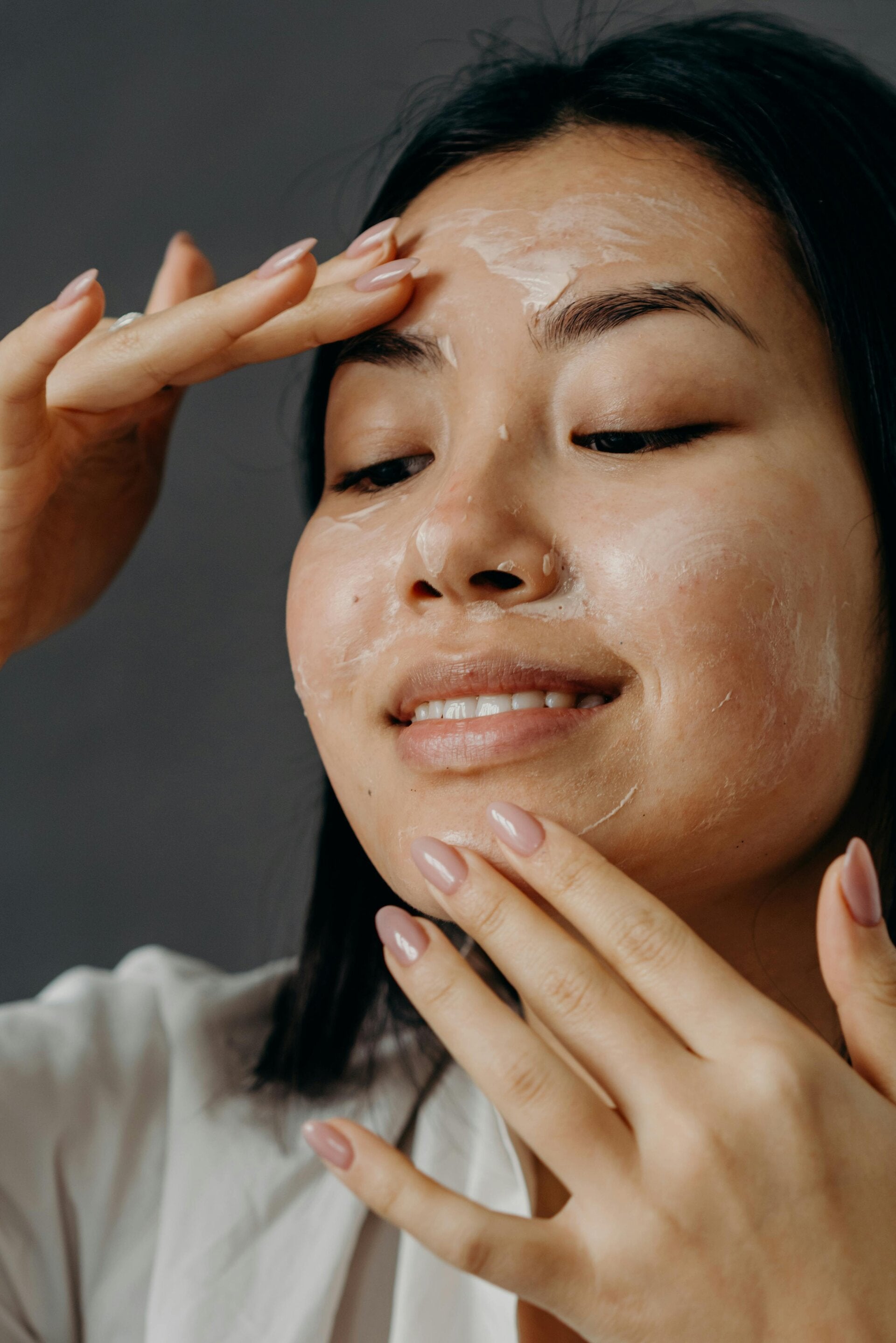


Proper Skincare Techniques for Sensitive Skin
In addition to using suitable skincare products, adopting proper skincare techniques can help minimize skin sensitivities. Consider the following tips:
- Gentle cleansing: Avoid scrubbing or rubbing your skin vigorously. Instead, use gentle, circular motions when cleansing your face or body. Pat your skin dry with a soft towel, rather than rubbing it.
-
Lukewarm water: Use lukewarm water when washing your face or body, as hot water can strip the skin of its natural oils and exacerbate sensitivities.
-
Avoid harsh exfoliation: Steer clear of harsh exfoliating products or techniques that can irritate the skin. Opt for gentle exfoliators formulated for sensitive skin, and limit exfoliation to once or twice a week.
-
Hydration: Keep your skin hydrated by drinking plenty of water and using moisturizers regularly. Moisturizing helps maintain the skin’s barrier function and can alleviate dryness and irritation.
By being mindful of signs that your skin sensitivity needs attention, choosing suitable skincare products, and following proper skincare techniques, you can effectively manage and reduce skin sensitivities associated with fibromyalgia.
Add comment
Comments
I have been told on so many occasions by so many different freinds and family members that they believe i have this condition however my gp hasnt diagnosed me with it despite my symptoms and I can say I can tick every symptom listed above including the skin sensitivity even to a slight touch can feel like pokeing a invisible bruse its horrendous its so horrible to live with and hard to get a diagnosis from a doctor 😔. So thank you for your recognition of this condition and the advice given can you possibly advise on products ie skin oils that can be used at home that I could benefit from as you are correct in saying it comes with a dose of insomnia alongside so tiering and draining this condition .cant wait to book a appointment with you hoping to get the 2 hr treatment in very much need x